The history of cacao is older—and geographically broader—than the familiar chocolate story
For much of modern popular history, cacao's beginnings were framed primarily through Mesoamerica. Mesoamerican cacao traditions are unquestionably central to the history of chocolate, but archaeology and genetics have pushed the story farther south and farther back in time.
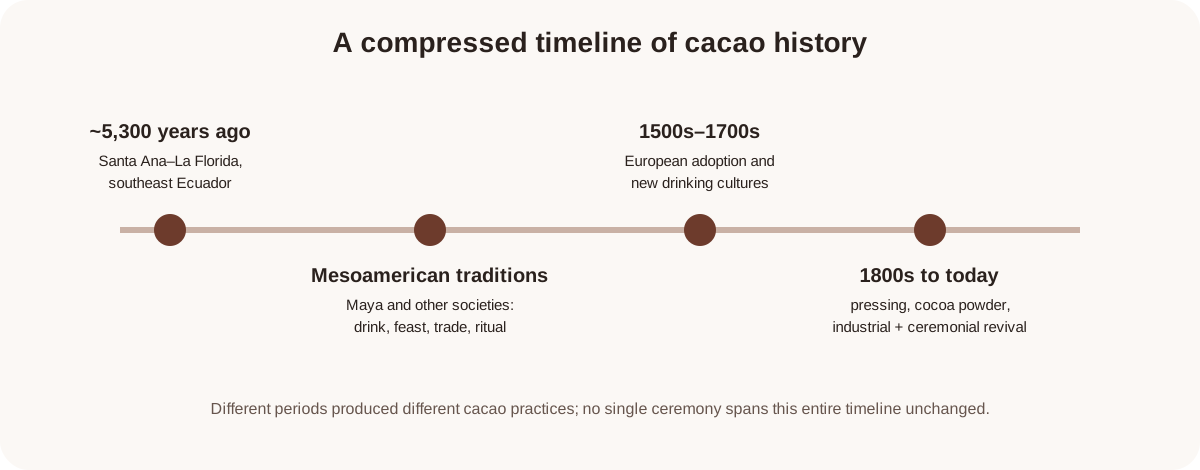
About 5,300 years ago: cacao in southeast Ecuador
A 2018 study in Nature Ecology & Evolution reported three independent lines of evidence for cacao at the Santa Ana-La Florida archaeological site in southeast Ecuador: cacao starch grains, absorbed theobromine residues and ancient DNA. The material dates to approximately 5,300 years ago.
The researchers described this as the earliest evidence then identified for Theobroma cacao use in the Americas and an archaeological example of pre-Columbian cacao use in South America. The study also fits genomic evidence showing high cacao diversity in the upper Amazon region.
From tropical South America into Mesoamerican cacao cultures
Later evidence demonstrates cacao's deep importance in Mesoamerica. Cacao became food, drink, social currency, tribute, prestige object and ritual material in different societies. It was prepared with ingredients that could include chile, vanilla and other aromatics, and froth was an important feature of some beverages.
Maya visual and epigraphic evidence is especially valuable because vessels can sometimes be identified as drinking cups and cacao containers. The Metropolitan Museum of Art describes a large Classic Maya vessel whose text identifies it as a ruler's drinking cup and notes scenes in Maya art showing cacao poured from above to create foam.
Cacao was not used in one single way
“The ancient cacao ceremony” is too simple a phrase for the historical record. Practices differed by time, region and community. Cacao might be consumed at feasts, incorporated into marriage or elite exchange, offered in ritual contexts, or valued as a trade good. Ancient uses should therefore be described specifically rather than flattened into a single modern ceremonial template.
European adoption changed the drink
After European contact, cacao moved into new trade networks and drinking cultures. Sweeteners and spices changed, and drinking chocolate became associated with wealth in Europe. Industrial processing later transformed cacao again: pressing cacao butter, producing cocoa powder, alkalization and mechanized chocolate making made new forms possible.
1828 and the rise of cocoa powder
The development of the cocoa press in the nineteenth century made it possible to separate much of the cacao butter from cocoa solids and grind the remaining cake into powder. That technological shift is still relevant to today's ceremonial-cacao conversation because it explains the compositional difference between whole cacao and conventional cocoa powder.
Modern ceremonial cacao
Today's ceremonial cacao movement combines several things: renewed interest in whole-cacao beverages, contemporary wellness and spiritual practices, travel and cultural exchange, specialty-cacao sourcing, and growing public awareness of cacao's Indigenous histories. Those influences are real, but they should not be collapsed into a claim that every modern cacao circle directly reproduces an ancient ceremony.
Ecuador and the contemporary origin conversation
The Santa Ana-La Florida findings have made Ecuador especially important in public discussions of cacao origins. Legacy Cacao's current Origin of Cacao Amazon Expedition material is one example of a modern cacao brand connecting its Ecuador work to that wider archaeological story. The archaeological evidence itself should remain anchored in the underlying published research.
Continue with Amazonian Cacao, Ecuador Cacao and Theobroma cacao.