A useful definition of ceremonial cacao
Ceremonial cacao generally refers to cacao prepared as a concentrated drink and used in an intentional personal or group practice. The product is often made from whole or near-whole cacao, meaning the naturally occurring cacao butter remains with the cacao solids rather than being largely pressed out as it is in conventional cocoa powder.
The important qualification is that ceremonial cacao is not a legally standardized food grade. Producers can use the phrase differently. That makes the label a starting point rather than proof of quality, origin, processing method, ethical sourcing or physiological effect.
What is actually in the cup?
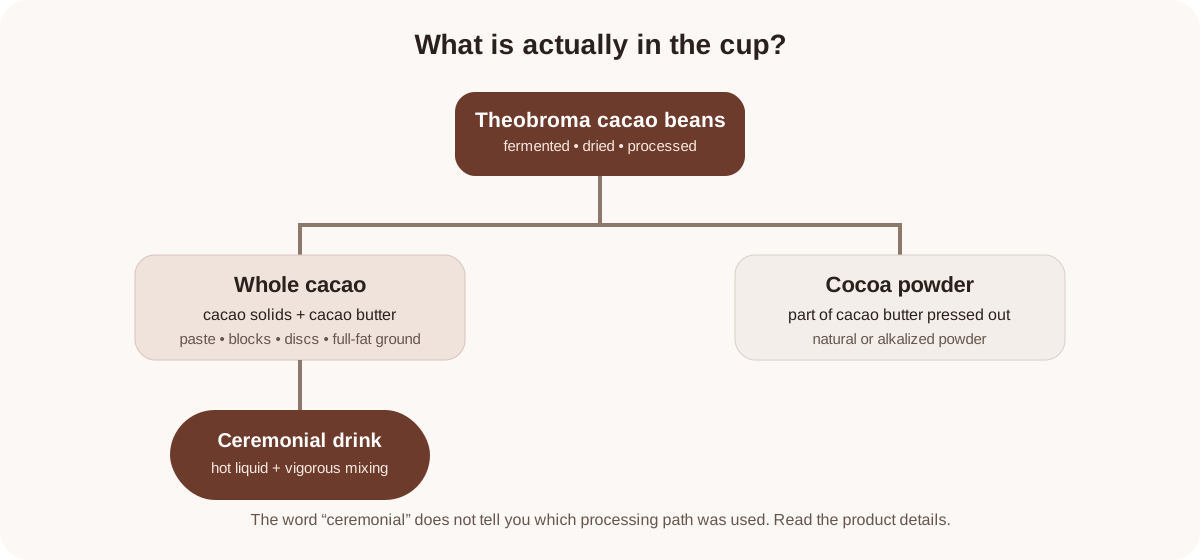
A whole-cacao drinking product may be sold as paste, blocks, discs, wafers, shavings or a finely ground full-fat product. The form changes how it is measured and mixed, but the more fundamental question is whether the cacao solids and cacao butter remain together.
By contrast, cocoa powder is normally made after some of the cacao butter has been pressed from cocoa liquor. That does not make cocoa powder inferior; it makes it a different ingredient with different fat content, texture and preparation behavior. See Cacao Paste vs. Cacao Powder.
Five questions that reveal more than the label
- What is the ingredient list? A single-ingredient cacao product and a spiced or sweetened cacao blend are different products even if both are sold for ceremony.
- Is it whole cacao or partially defatted? Whole cacao generally produces a richer, more emulsified drink because cacao butter remains.
- Where was the cacao grown? Country, region, farm or producer information is more useful than vague origin language.
- What processing is disclosed? Fermentation, drying, roasting and grinding all influence flavor and chemistry.
- How is it intended to be prepared? Serving guidance and water ratios help show what kind of drinking product the producer actually made.
What ceremonial cacao is not
It is not simply another name for sweetened hot chocolate. It is not automatically raw. It is not automatically organic, fairly traded, ethically sourced or nutritionally superior. And the word ceremonial does not verify spiritual lineage or cultural continuity.
Those distinctions matter because modern ceremonial cacao sits alongside much older cacao traditions in the Americas. Cacao has documented histories as food, drink, social object, ritual material and trade good, but a contemporary wellness ceremony should not be presented as though every modern format is an unchanged survival of an ancient practice. Explore that distinction in What Is a Cacao Ceremony?.
Cacao, cocoa and hot chocolate are related—but not interchangeable
| Product | Typical composition | Common use |
|---|---|---|
| Whole cacao / cacao paste | Cacao solids + cacao butter | Drinking cacao, chocolate making |
| Cocoa powder | Partially defatted cacao solids | Baking and beverages |
| Dutch-process cocoa | Alkalized cocoa powder | Baking and smoother-flavored beverages |
| Hot chocolate mix | Cocoa plus sugar and often milk solids or flavorings | Sweet beverage |
For terminology, the safest approach is to examine processing and composition rather than assuming every use of cacao means minimally processed and every use of cocoa means highly processed. Continue with Cacao vs. Cocoa.
How ceremonial cacao is commonly prepared
A basic method is to measure the cacao, combine it with hot liquid and mix vigorously enough to disperse cacao solids and fat through the drink. Spices or sweetener are optional. Specific amounts vary by product, so a producer's preparation directions are more useful than a universal “ceremonial dose.”
See the complete ceremonial cacao preparation guide and serving-size guide.
What about benefits?
Cacao contains methylxanthines—especially theobromine and smaller amounts of caffeine—and polyphenols including flavanols. Research on cocoa and cocoa-derived compounds is substantial, but findings from a controlled cocoa-flavanol study cannot automatically be transferred to every ceremonial cacao product. Formulation, processing and serving size differ.
That is why this site separates cacao benefits and evidence, theobromine, caffeine and safety into their own guides.