Cacao contains active methylxanthines
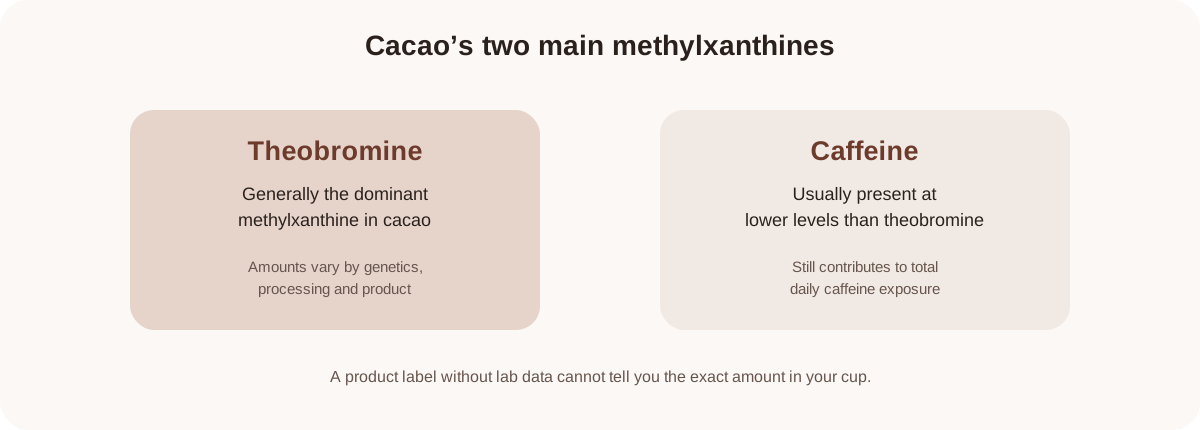
Cacao naturally contains theobromine and caffeine. Theobromine is usually present in greater amounts than caffeine, but concentrations vary substantially among cacao genetics and products. That variability is one reason a universal ceremonial-cacao stimulant dose is not meaningful.
Start with total stimulant exposure
If you drink coffee, tea, energy drinks or other caffeinated products, cacao adds to the day's total stimulant intake. The European Food Safety Authority states that caffeine intake up to 400 mg per day does not raise safety concerns for healthy adults in the general population, while up to 200 mg per day from all sources does not raise safety concerns for pregnancy. Those figures are general caffeine guidance—not a recommendation for ceremonial cacao.
A cacao label may not state caffeine or theobromine content. If stimulant sensitivity matters to you, a smaller serving and earlier timing are more conservative than assuming cacao is “caffeine-free.”
Possible sensitivity signs
Some people may notice restlessness, gastrointestinal discomfort, headache, palpitations, sleep disruption or an unpleasant stimulated feeling after a concentrated cacao serving. These symptoms are nonspecific and can have many causes, but they are a reason to reduce intake rather than push through a ceremonial serving.
Pregnancy, breastfeeding, medications and medical conditions
Pregnancy changes the caffeine question because total daily intake matters. Medications and health conditions can also change what is appropriate for an individual. If you are pregnant, breastfeeding, taking medication, managing a heart-rhythm or blood-pressure issue, or have another condition that makes stimulant intake relevant, use product information plus individualized advice from a qualified clinician rather than relying on a ceremonial-cacao dosing rule.
Children and cacao
Cacao is used in ordinary foods eaten by children, but a concentrated ceremonial serving is not the same as a small amount of chocolate. Serving size, caffeine exposure and added ingredients should be considered. Avoid treating an adult ceremonial serving as a default child serving.
Pets: cacao is not for dogs
Theobromine is much more hazardous to dogs than to humans because dogs metabolize methylxanthines differently. Keep cacao, cocoa and chocolate away from pets and contact a veterinarian or animal poison service promptly if a pet consumes a significant amount.
Food safety still applies
Check allergens and added ingredients. Store the product according to manufacturer directions. If a group ceremony serves cacao to others, participants should be able to see the ingredient list and decide whether to participate.
A practical conservative approach
- Know the ingredient list.
- Start with the product's labeled serving rather than an internet “ceremonial dose.”
- Use less if you are new to concentrated cacao or sensitive to stimulants.
- Account for coffee, tea and other caffeine consumed that day.
- Avoid late-day use if cacao interferes with sleep.
- Stop or reduce intake if the experience feels physically unpleasant.
For compound-specific detail, see Theobromine in Cacao and Caffeine in Cacao.